
A Gorgeous Little Thing

A slow story told by strangers, illustrated by a machine that doesn't quite know what it's doing.

An interactive experiment in literature, prose and AI visualisation.

The camera has no house style. Pick a world — or invent one we've never shot before.

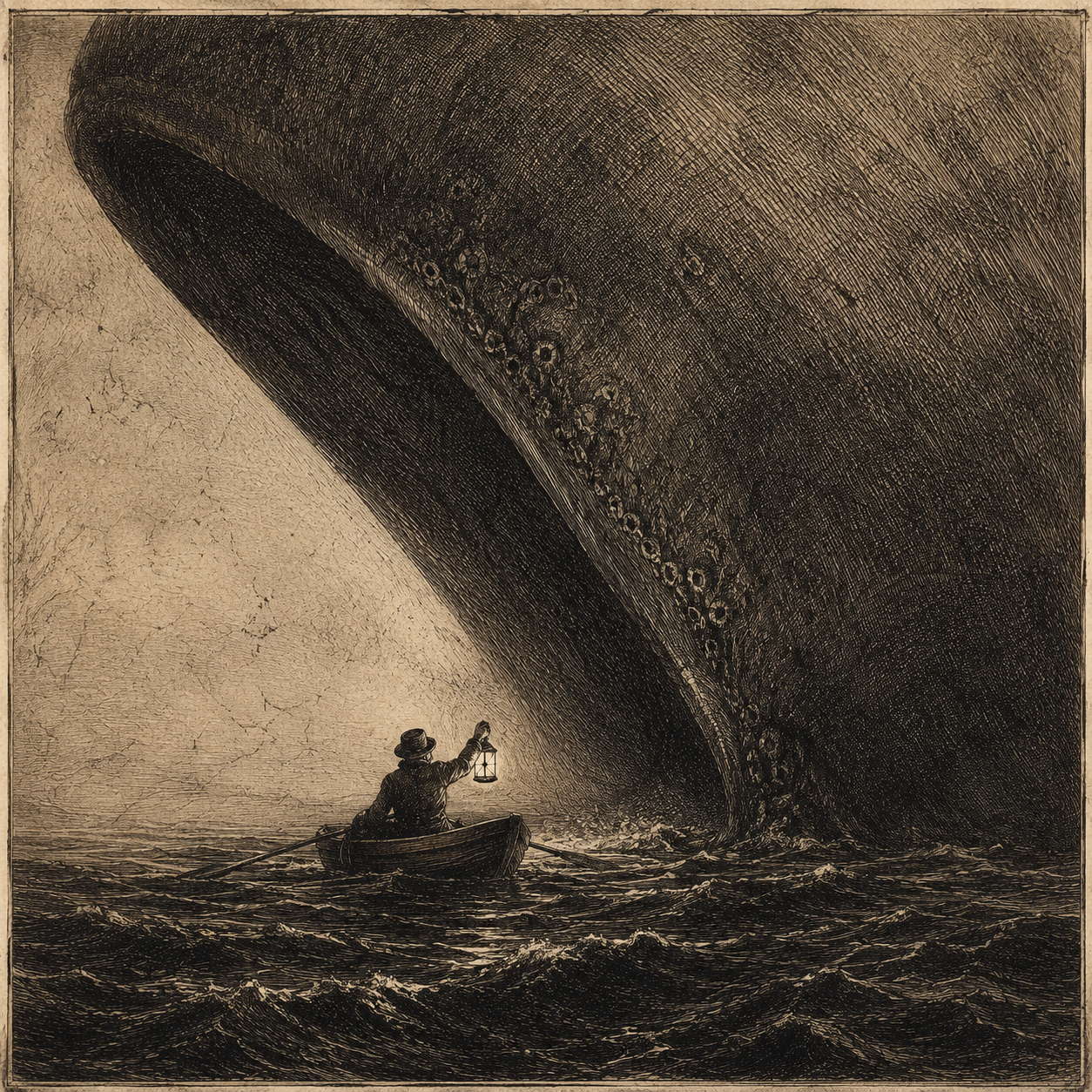
Cosmic horror — example panel
Cosmic horrorA story about the thing too large to fit in the frame.
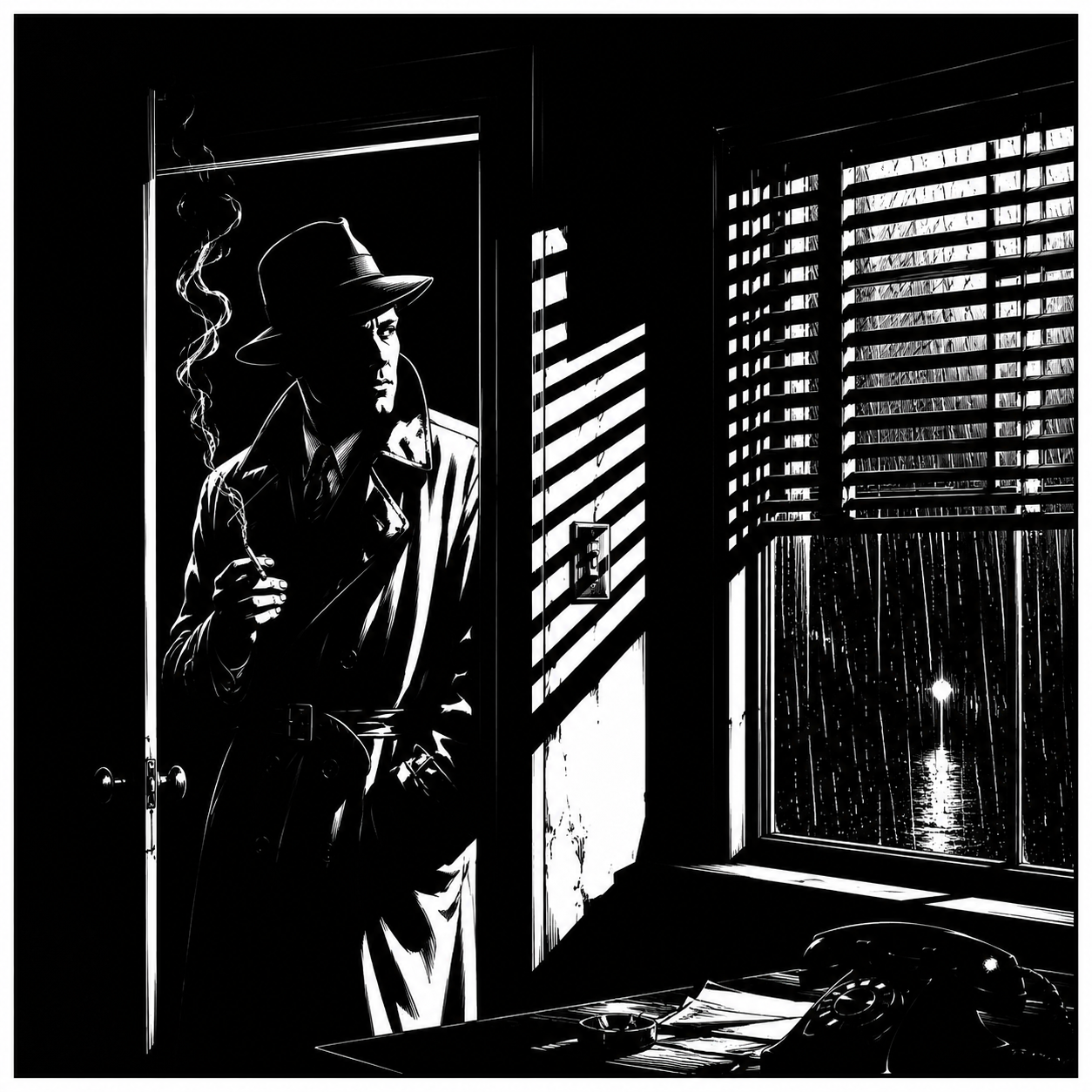
Hardboiled noir — example panel
Hardboiled noirA room, a secret, and who blinks first.
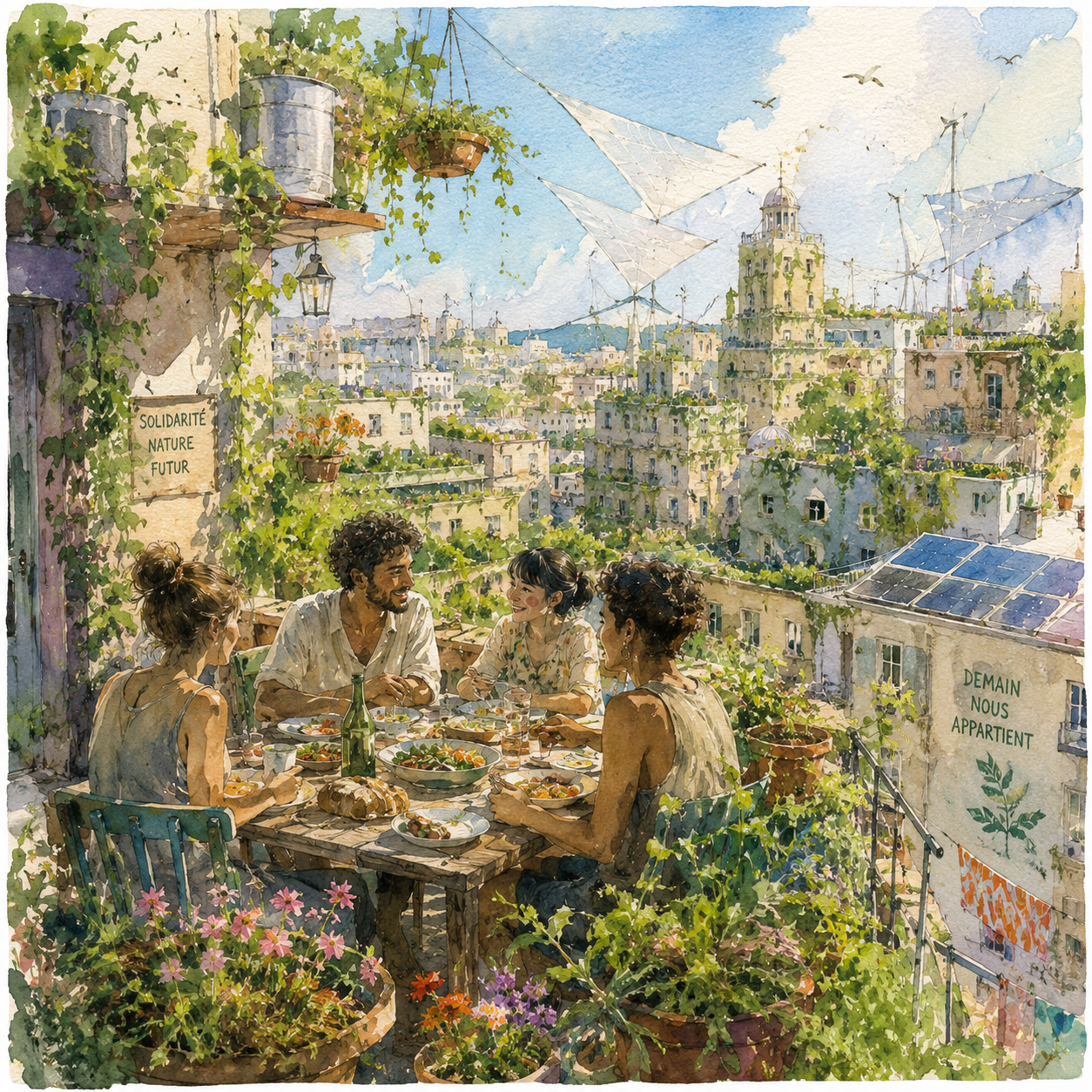
Solarpunk — example panel
SolarpunkNot every story is a warning. Some are a place you'd want to live.
Myth & folklore — example panel
Myth & folkloreWrite it like a legend someone half-remembers.
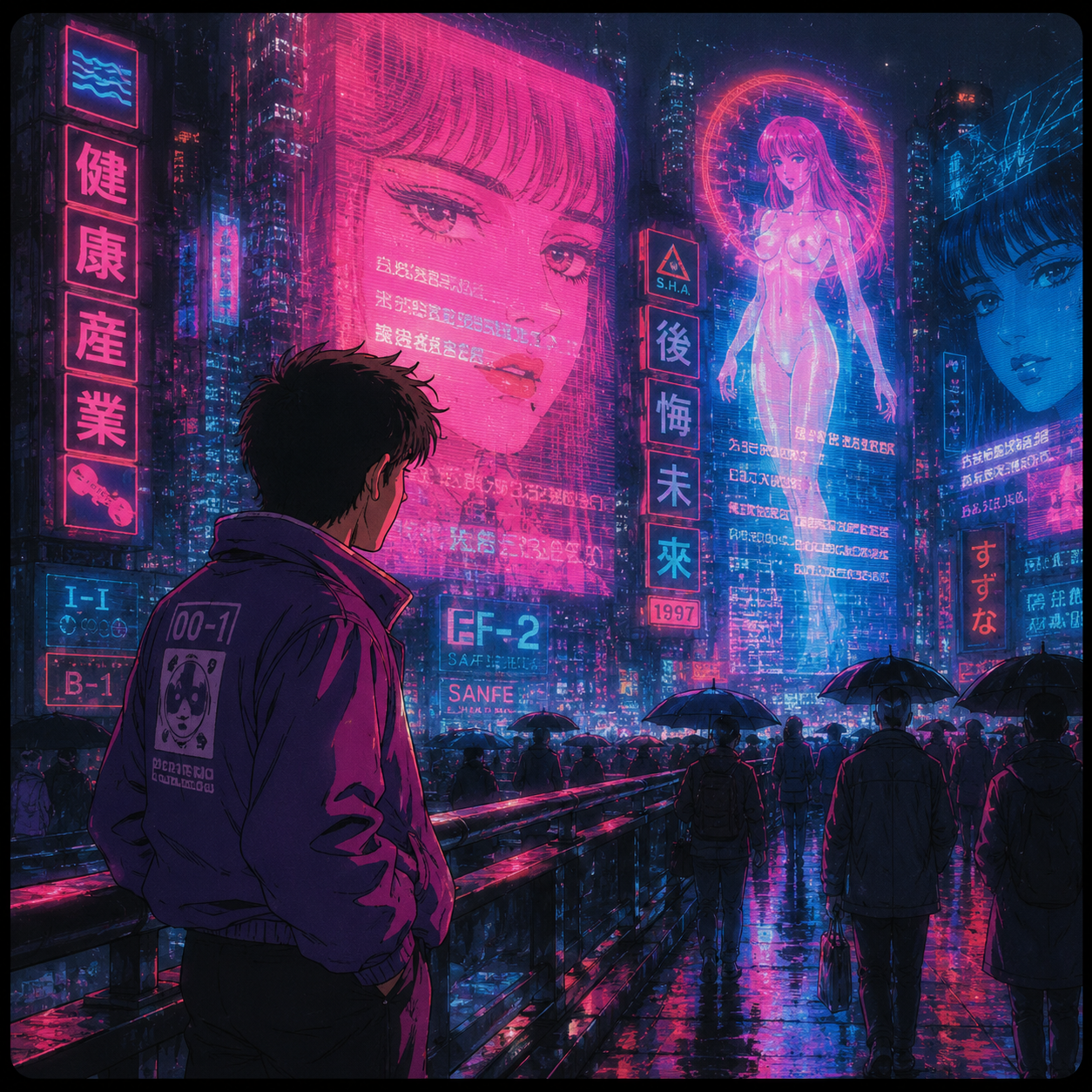
Neon cyberpunk — example panel
Neon cyberpunkThe future arrived. It just didn't fix anything.
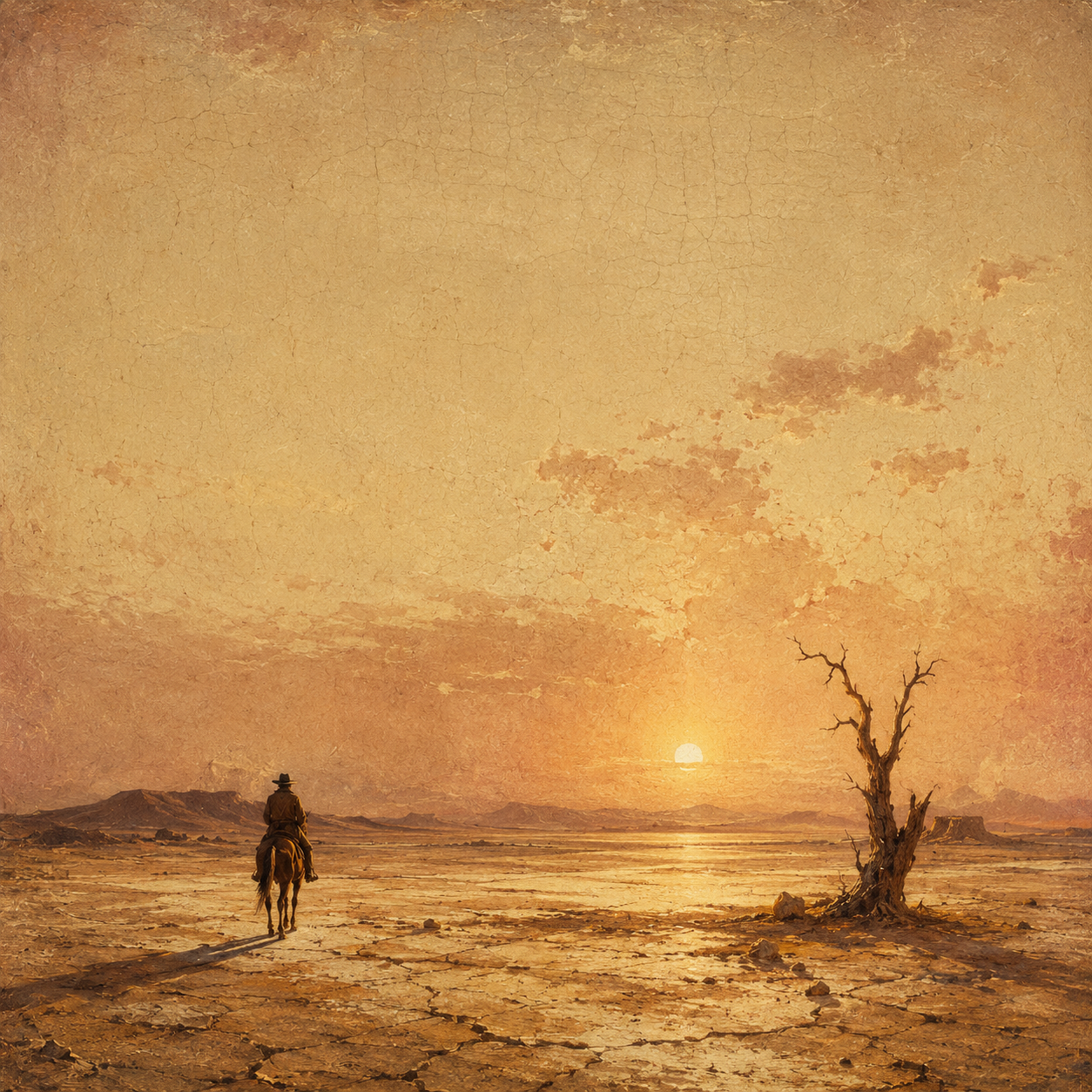
Dustbowl western — example panel
Dustbowl westernSometimes the story is one long walk toward something.
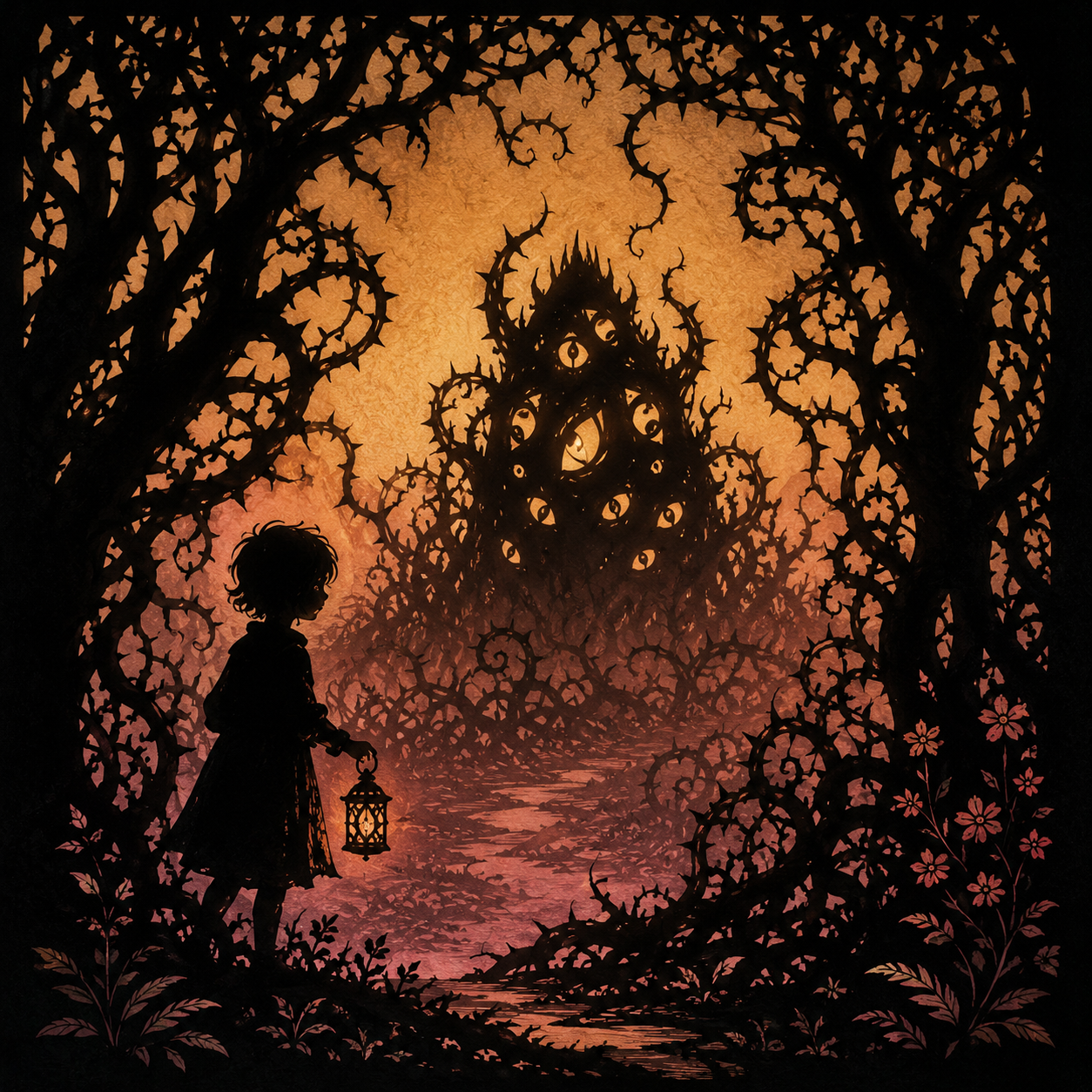
Dark fairytale — example panel
Dark fairytaleThe oldest stories are the cruelest. Lean in.
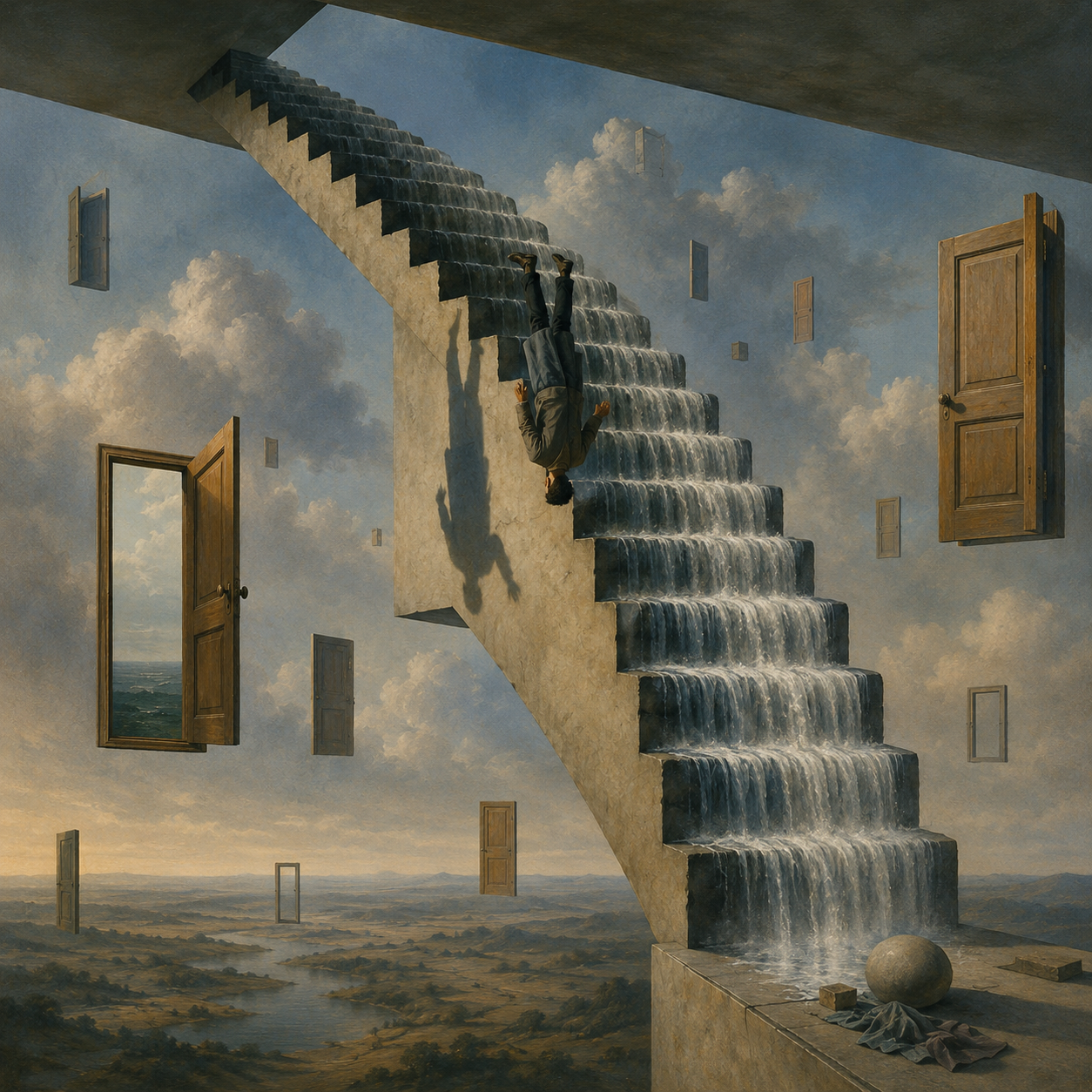
Dream-logic — example panel
Dream-logicIt doesn't have to make sense. It has to mean something.
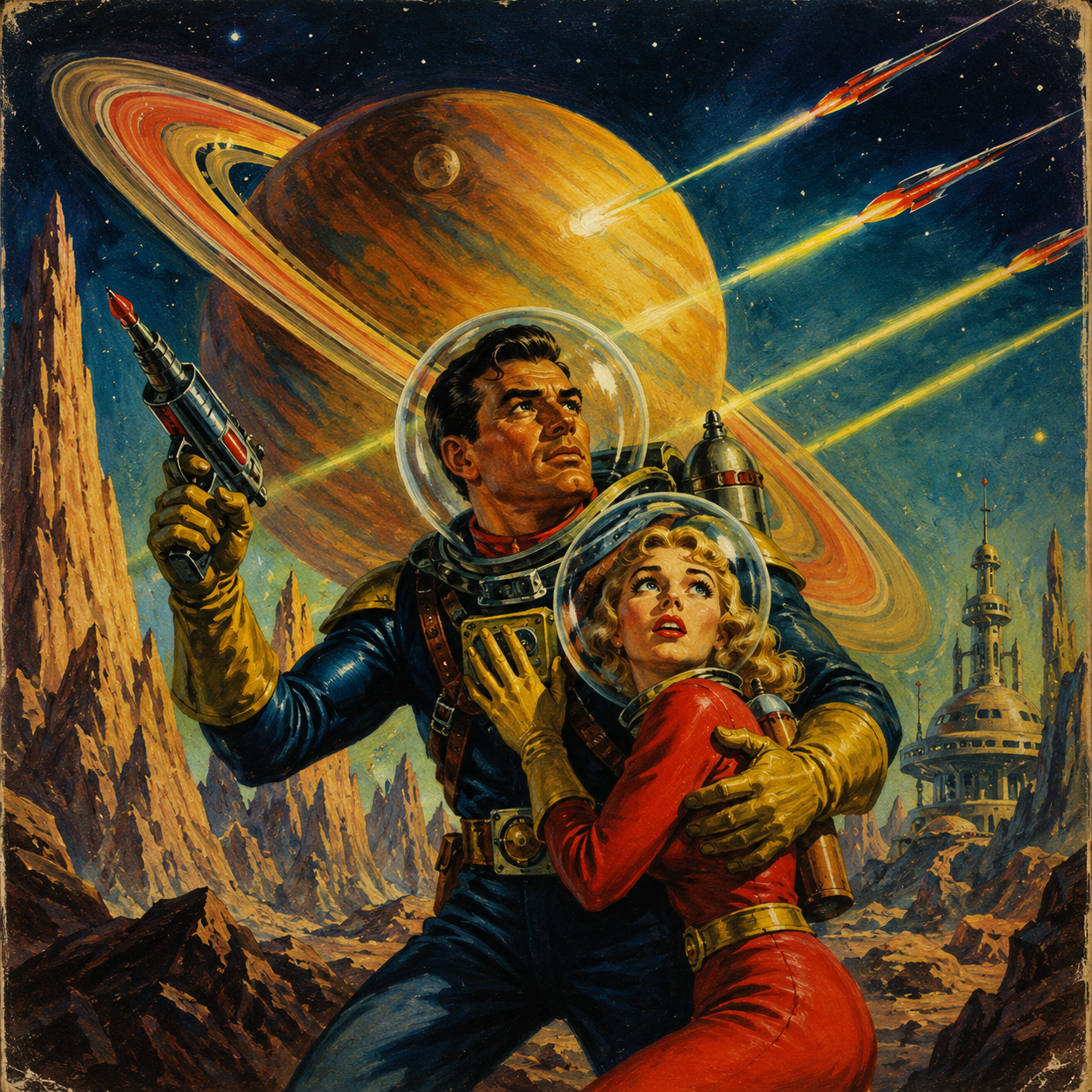
Retro space opera — example panel
Retro space operaBig feelings, bigger ships, zero apology.
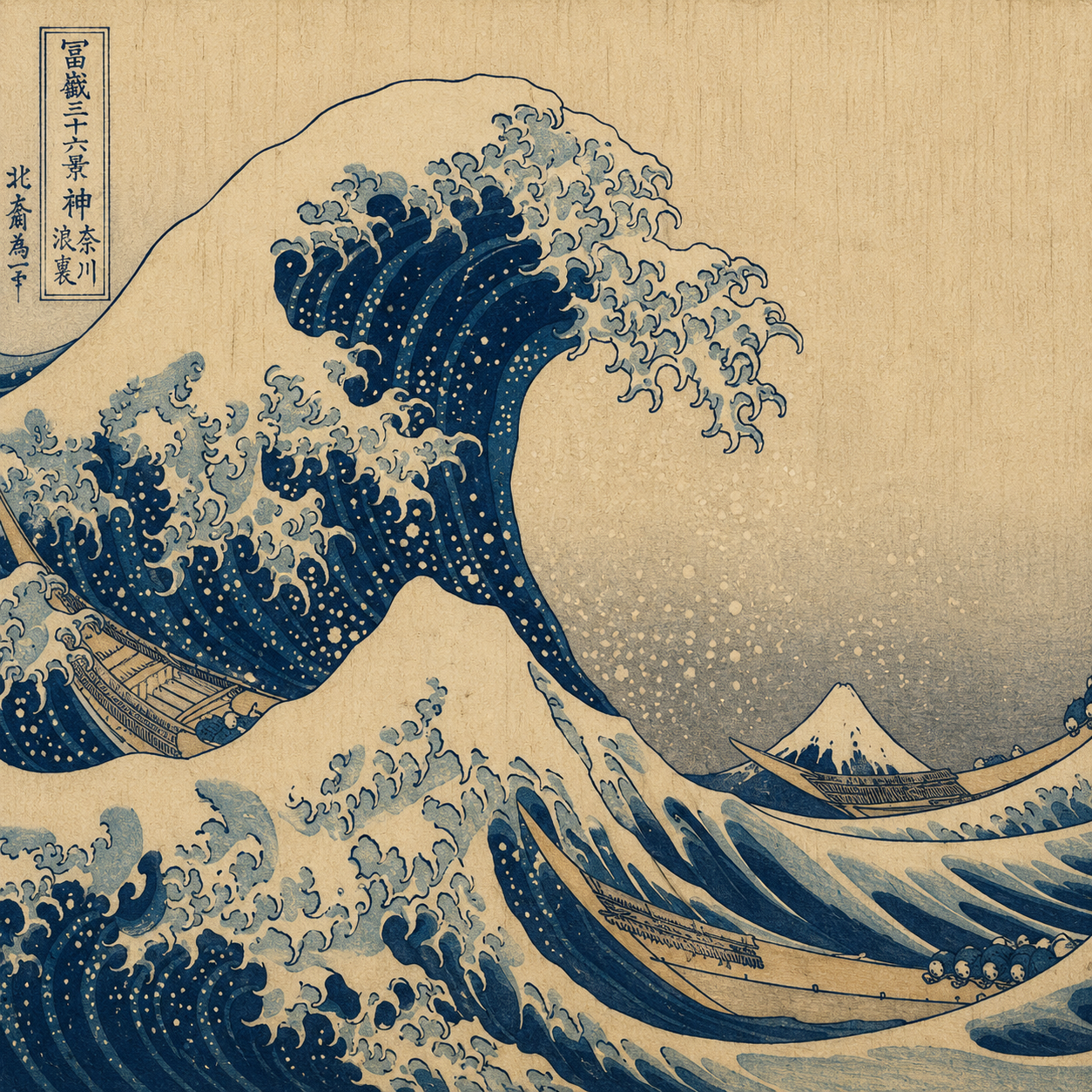
Ukiyo-e — example panel
Ukiyo-eA single perfect moment can be the whole beat.
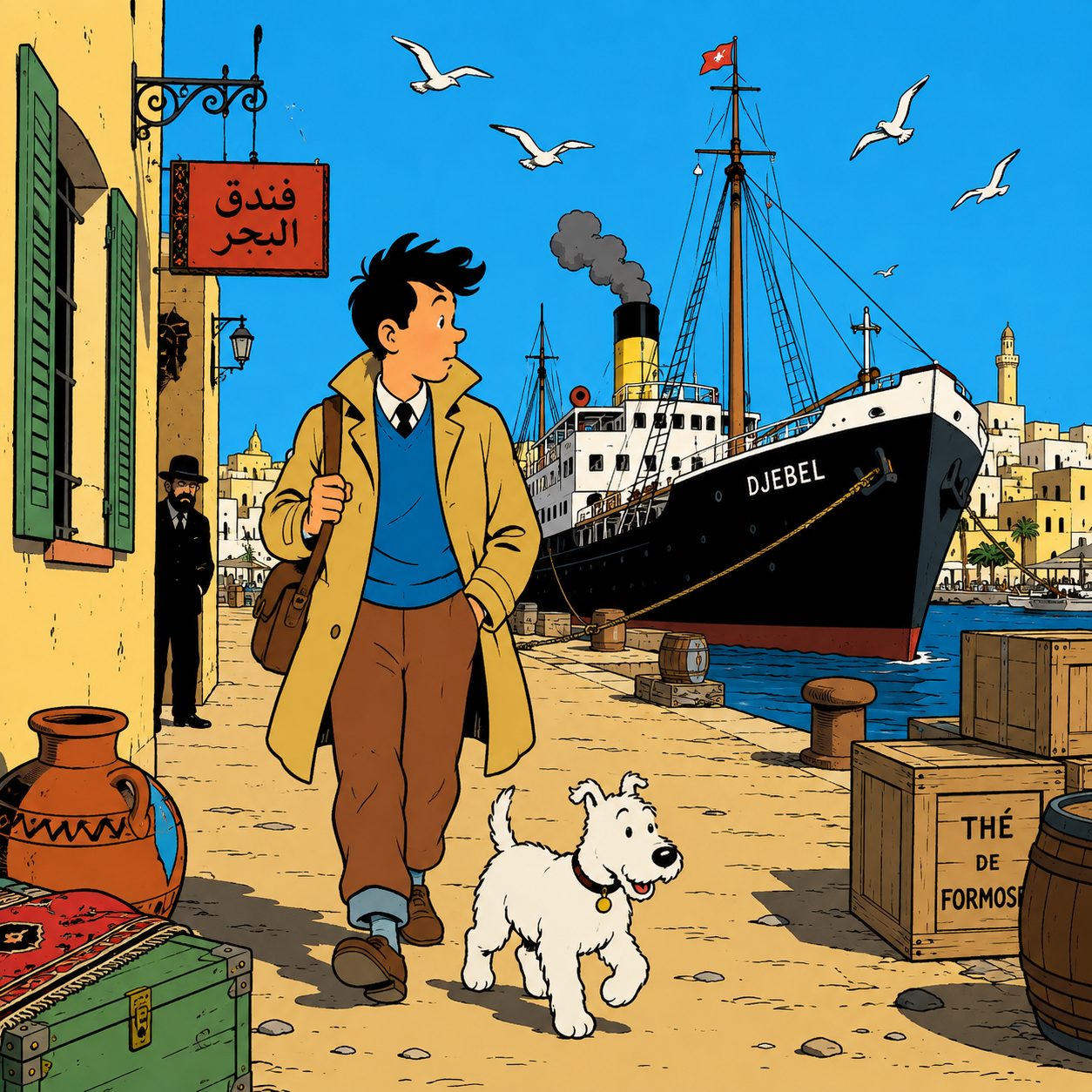
Ligne claire — example panel
Ligne claireClean lines, real places, a young reporter's nose for trouble.
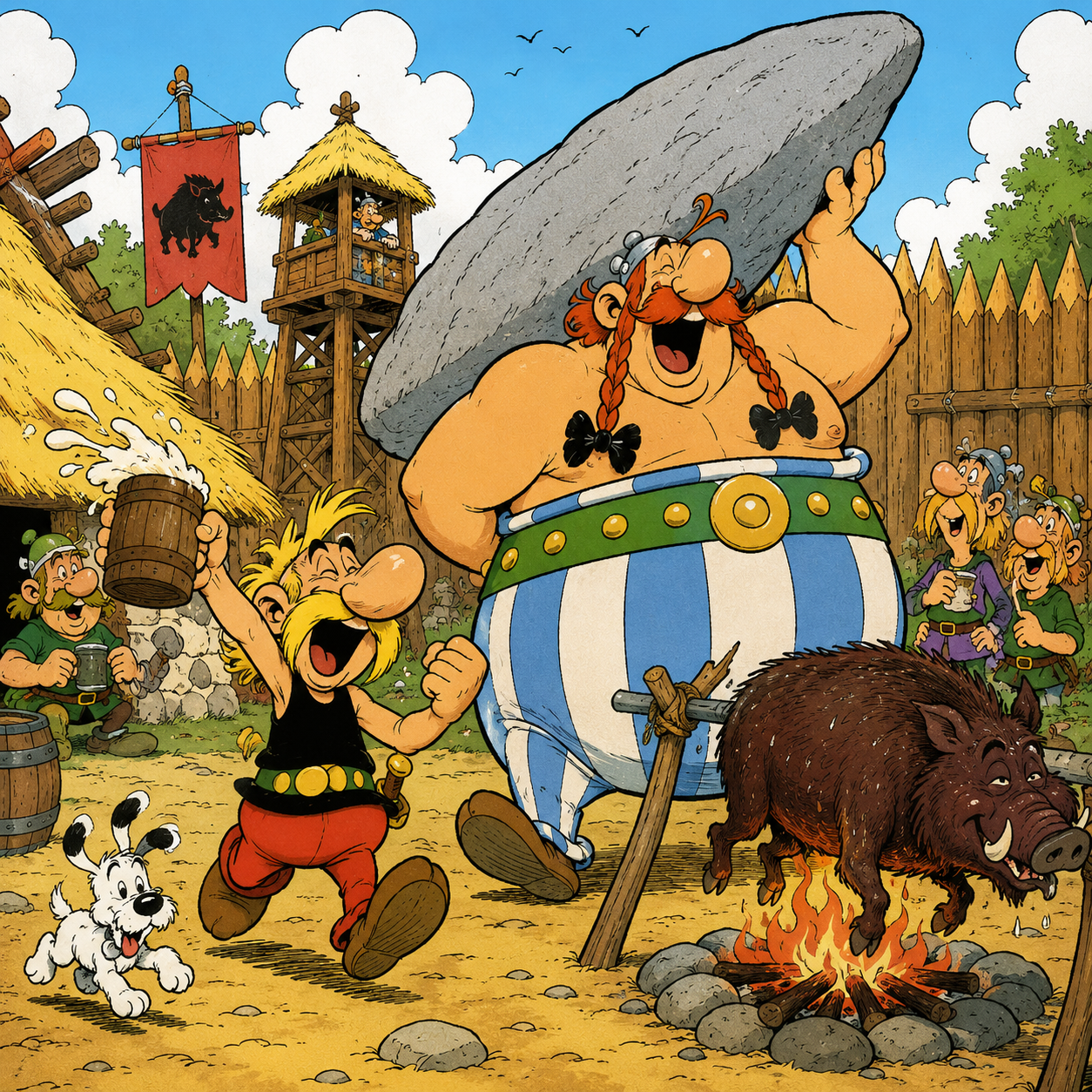
Astérix & Obélix — example panel
Astérix & ObélixHistory with its tongue out — small heroes, big feasts.
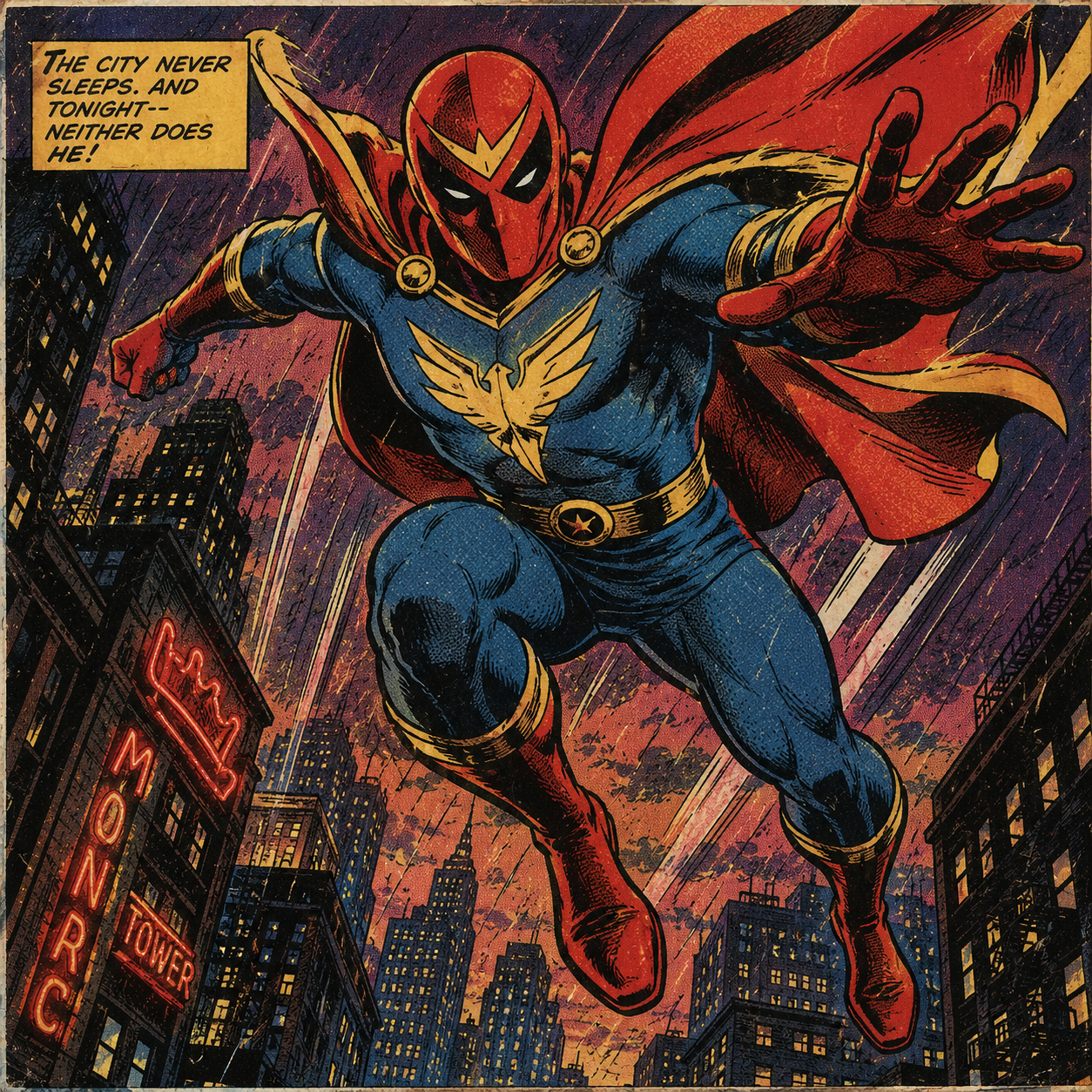
Superhero comics — example panel
Superhero comicsOrdinary people, impossible powers, city-sized problems.
1

A human writes a beat

2

AI interprets the scene, plays cameraman, and adds an AI-rendered visual to the story

3

Another human writes what happens next

↻  and the loop continues, one beat at a time

What this is

Two strangers agree to write a story together. Not in real time. Not urgently. One writes a line today; the other answers tomorrow. The story grows one beat at a time, with no plan and no ending in mind — only the quiet bet that someone, somewhere, wants to read the next part.

Between every beat, an AI reads the story so far and decides what to show. Not what happens — that belongs to the humans — but which moment becomes a picture, from what angle, in what light. It is the cameraman. It is unpredictable. It misses the obvious shot, fixates on a detail nobody mentioned, and occasionally invents things that were never in the script. Those inventions become part of the story anyway. Without anyone deciding so, it has become a third author.

How it works

It arrives by email. An actual email, in your inbox, with the new beat and the picture the cameraman chose. No feed. No algorithm. No notifications begging for your thumb. You read it when you feel like it. You reply when you are ready. The gap between beats — a day, a week — is not empty. It is where the imagination lives.

A few honest rules

  • Typos stay. Beats are kept exactly as written. A typo is proof a human was thinking faster than they were typing.
  • The camera is allowed to be wrong. Its mistakes are not bugs. They are its personality.
  • All takes are true. When the machine imagines a moment two different ways, you get both. Neither is the "real" one. They both are.

Want in?

Right now there is one story — unfinished, being written by strangers in slow motion. You can read it as it arrives. Or, if you turn out to be the sort of person this was secretly made for, you can pick up a pen.

Spectate Story 1 →